Monday, May 19, 2025

The Future of Work: How AI and Automation Are Changing Jobs in 2025

 The Future of Work: How AI and Automation Are Changing Jobs in 2025

Infographic-style image showcasing future careers including AI engineer, cybersecurity expert, and data analyst.


Introduction


The workplace in 2025 looks vastly different from just a few years ago. With AI, automation, and robotics revolutionizing industries, millions of jobs have evolved—or disappeared entirely. While some fear job loss, others see new opportunities in the AI-driven economy. So, what does the future of work really look like? Let’s explore how AI and automation are reshaping jobs, industries, and career opportunities in 2025.


---

Jobs that Ai can't replace


1. AI’s Impact on Jobs: What Has Changed?


AI and automation have streamlined repetitive tasks, allowing businesses to cut costs and increase efficiency. Here’s how different industries are being transformed:


🔹 Manufacturing & Logistics:


AI-powered robots now handle assembly lines, packaging, and warehouse management.


Self-driving trucks and drones have reduced the need for human delivery drivers.


🔹 Healthcare:


AI diagnoses diseases faster and more accurately than human doctors.


Robotic surgeons assist in complex operations, reducing surgical errors.


🔹 Customer Service & Retail:


AI-powered chatbots have replaced human call center agents for basic queries.


Automated self-checkout and AI-driven inventory management are now standard in stores.


🔹 Finance & Accounting:


AI handles fraud detection, investment decisions, and financial risk assessment.


Bookkeeping and tax filing are now fully automated with AI-driven accounting software.


🔹 Creative Industries:


AI-generated content (articles, music, and digital art) competes with human creativity.


Deepfake technology allows businesses to create AI-generated influencers for advertising.

Top careers of 2025


---


2. Jobs That AI Can’t Replace (Yet)


While automation is reshaping the workforce, some jobs still require human skills that AI struggles to replicate:


✔️ Healthcare & Personal Care: Doctors, nurses, therapists, and caregivers rely on emotional intelligence and complex decision-making.


✔️ Education: AI can assist teachers, but human interaction, mentorship, and critical thinking remain essential.


✔️ Skilled Trades: Electricians, plumbers, and mechanics require hands-on expertise AI-driven robots can't yet perform efficiently.


✔️ Creative Professions: Writers, filmmakers, designers, and musicians still provide originality and human emotion AI cannot fully replicate.


✔️ Ethical & Legal Professions: AI can analyze laws, but it cannot handle morality, empathy, and complex legal reasoning.


---


3. The Rise of AI-Augmented Jobs


Instead of fully replacing jobs, AI is enhancing many professions by automating repetitive tasks and allowing workers to focus on higher-level problem-solving.


🔹 Doctors use AI for faster diagnostics but still make the final treatment decisions.

🔹 Lawyers use AI to review contracts but handle court cases themselves.

🔹 Journalists use AI to gather data but craft original narratives themselves.


These hybrid roles, where humans and AI collaborate, are becoming the new normal.


---


4. The Fastest-Growing Careers in 2025


Despite automation eliminating some jobs, new careers are emerging in AI-driven industries:


🌟 AI & Machine Learning Specialists – Developing and maintaining AI systems.

🌟 Cybersecurity Experts – Protecting businesses from AI-driven cyber threats.

🌟 Data Analysts & AI Ethics Consultants – Ensuring AI is used responsibly.

🌟 Renewable Energy Engineers – Building the future of clean energy.

🌟 Mental Health & Wellness Coaches – Helping people navigate stress in the digital age.


If you’re looking for a future-proof career, upskilling in these areas is essential.


---


5. How to Prepare for the Future of Work


As AI continues to reshape industries, adaptability is the key to career success. Here’s how to stay ahead:


✔️ Learn AI & Tech Skills – Basic coding, data analysis, and AI literacy are now valuable in almost every field.

✔️ Focus on Soft Skills – Emotional intelligence, creativity, and problem-solving remain irreplaceable by AI.

✔️ Embrace Lifelong Learning – Continuous learning through online courses, certifications, and workshops is necessary to stay competitive.

✔️ Network & Collaborate – Connecting with professionals in AI-driven industries helps you stay informed about new job opportunities.


---


Conclusion


AI and automation are transforming the job market, eliminating some roles but creating new opportunities. The key to success in 2025 is adaptability—those who embrace AI, upskill, and focus on human-centric skills will thrive in this new era of work.


The future isn’t about machines replacing people—it’s about humans working alongside AI to create a smarter, more efficient world. Are you ready for the change?

Sunday, March 2, 2025

The Rise of Deepfake Technology: How to Spot and Prevent Misinformation in 2025

The Rise of Deepfake Technology: How to Spot and Prevent Misinformation in 2025

Introduction

Deepfake technology has reached new levels of sophistication in 2025, making it harder than ever to distinguish real content from fake. From fake news videos to fraudulent AI-generated voices, misinformation is spreading at an alarming rate. How can we protect ourselves from deepfakes? This article will explore how deepfakes work, their dangers, and how to spot and prevent misinformation in the digital age.


deepfake ai


---


1. What Are Deepfakes?


Deepfakes are AI-generated videos, images, or audio recordings that manipulate real content to make someone appear to say or do things they never did. These are created using advanced machine learning models, especially deep neural networks, which can mimic voices, faces, and expressions with scary accuracy.


✅ Common Uses of Deepfake Technology in 2025:


Entertainment: AI-generated actors in movies and video games


Business: AI-powered assistants and digital influencers


Education: Virtual historical figures teaching history


❌ Malicious Uses of Deepfakes:


Fake political speeches designed to spread misinformation


Financial scams using AI-generated voices to steal money


Blackmail and identity theft


---


2. The Biggest Deepfake Scandals of 2025


This year, several major deepfake incidents shocked the world:


🔴 Fake Political Speech: A viral deepfake of a world leader announcing a "nuclear attack" caused global panic before it was debunked.


🔴 AI Voice Scam: A CEO’s voice was cloned, tricking employees into transferring $5 million to hackers.


🔴 Social Media Manipulation: Thousands of fake influencer videos flooded Instagram and TikTok, misleading audiences with false endorsements and scam ads.


---


3. How to Spot a Deepfake in 2025


Deepfakes are incredibly realistic, but there are still ways to detect them:


A. Look for Unnatural Facial Movements


🔍 Signs of a Deepfake:


Strange blinking patterns or lack of blinking


Lips that don’t match spoken words perfectly


Odd skin texture or sudden lighting changes


B. Use AI Deepfake Detection Tools


Tech companies have developed AI-powered detection software that can scan videos for manipulation. Tools like:

✔️ Microsoft Video Authenticator

✔️ Deepware Scanner

✔️ Reality Defender


C. Verify the Source


📌 Before believing a shocking video or audio clip:


Check official news sources


Reverse search the video or image to find the original source


Look for multiple sources reporting the same event


D. Listen for Robotic or Glitchy Audio


AI-generated voices sometimes sound too flat, robotic, or slightly distorted—especially during longer conversations.


---


4. Preventing the Spread of Deepfake Misinformation


To fight deepfakes, we need both technology and public awareness.


✅ What Governments Are Doing in 2025:


Enforcing stricter laws against deepfake fraud


Requiring social media platforms to label AI-generated content


Encouraging fact-checking collaborations with news agencies


✅ What You Can Do:

✔️ Think before you share—always verify shocking content

✔️ Educate others about deepfakes and misinformation

✔️ Report fake content on social media platforms


---


5. The Future of Deepfakes: A Double-Edged Sword


While deepfakes pose serious risks, they also have positive applications:

✔️ AI-generated actors in movies can reduce production costs

✔️ Voice cloning for disabled individuals can help those who have lost their ability to speak

✔️ Historical AI recreations can bring history to life for education


However, as deepfake technology improves, so do the risks. Staying informed, skeptical, and technologically aware is the best defense.


deepfake artificial intelligence


---


Conclusion


Deepfakes in 2025 are more realistic than ever, making misinformation harder to detect. But by learning how to spot fakes, using AI detection tools, and promoting digital literacy, we can protect ourselves from deception.


Misinformation thrives on blind trust—so always question, verify, and think critically before believing what you see or hear online.

Wednesday, February 26, 2025

Debunking the Top 5 Health Myths Circulating in 2025

 Debunking the Top 5 Health Myths Circulating in 2025


Introduction


Misinformation spreads faster than ever, and in 2025, health myths continue to mislead people worldwide. From viral social media trends to misleading “expert” advice, separating fact from fiction is more important than ever. Let’s debunk the top five health myths of 2025 using real science and expert analysis.

---


Myth #1: "Alkaline Water Can Cure Diseases"


🚫 False Claim: Drinking alkaline water changes your body's pH level and prevents diseases like cancer.

✅ The Truth:


The human body automatically regulates its pH through the kidneys and lungs.


There’s no scientific evidence that alkaline water can cure or prevent diseases.


Some people may experience minor digestive benefits, but overall, it’s just expensive water with no proven health advantages.


What to Do Instead?


Stick to regular water and focus on a balanced diet with fruits and vegetables, which naturally support health.


---


Myth #2: "Artificial Sweeteners Cause Cancer"


🚫 False Claim: Sweeteners like aspartame and sucralose are toxic and increase cancer risk.

✅ The Truth:


Studies from the World Health Organization (WHO) and FDA confirm that artificial sweeteners are safe in moderation.


The confusion comes from old animal studies where rats were given massive doses of sweeteners—not realistic human consumption levels.


Excessive sugar intake is a far greater health risk than moderate artificial sweetener use.


What to Do Instead?


If you want a natural option, use stevia or monk fruit sweeteners. But ultimately, limiting both sugar and sweeteners is the best approach.


---


Myth #3: "Detox Teas and Juice Cleanses Remove Toxins"


🚫 False Claim: Drinking detox teas or juice cleanses flushes toxins from your body.

✅ The Truth:


Your liver and kidneys already detox your body naturally—no special drinks required.


Most detox products just cause water loss and laxative effects, not actual toxin removal.


Some detox teas contain dangerous herbs that can cause liver damage.


What to Do Instead?


Support your body’s natural detox system by:

✔️ Drinking enough water

✔️ Eating fiber-rich foods (fruits, veggies, whole grains)

✔️ Avoiding excess alcohol and processed foods


---


Myth #4: "You Need 10,000 Steps a Day to Stay Healthy"


🚫 False Claim: Walking less than 10,000 steps a day is unhealthy.

✅ The Truth:


The 10,000-step rule was actually a marketing campaign from a 1960s Japanese pedometer company!


Studies show as little as 4,000–7,000 steps per day can still provide significant health benefits.


Regular movement—even just standing more and avoiding long sitting periods—is key to long-term health.


What to Do Instead?


✔️ Focus on 30 minutes of movement per day, whether it’s walking, stretching, or strength training.

✔️ Prioritize quality over quantity—any movement is better than none!


---


Myth #5: "Natural Remedies Are Always Safer Than Medicine"


🚫 False Claim: Herbs and supplements are 100% safe because they are "natural."

✅ The Truth:


Natural does not always mean safe—some herbal remedies interact with medications or cause harmful side effects.


The supplement industry is not well-regulated, meaning some products may be ineffective or even contaminated.


While some natural remedies (like turmeric for inflammation) can be beneficial, they should not replace doctor-recommended treatments.


What to Do Instead?


✔️ Research scientifically backed herbal treatments.

✔️ Always consult a doctor or pharmacist before taking supplements, especially if you’re on medication.


---


Final Thoughts: The Importance of Fact-Checking

In 2025, health myths are more widespread than ever due to social media influencers, viral trends, and misinformation campaigns. Always rely on trusted sources like:


WHO (World Health Organization)


CDC (Centers for Disease Control and Prevention)


Peer-reviewed medical studies


Before believing any health claim, ask: Where is the evidence? Your health depends on facts—not fads!

Climate Change in 2025: Innovative Solutions Making a Difference

Climate Change in 2025: Innovative Solutions Making a Difference


Introduction


Climate change remains one of the biggest challenges of our time, but 2025 is also a year of groundbreaking innovation. As global temperatures rise, extreme weather events become more frequent, and ecosystems face devastation, scientists, engineers, and policymakers are developing cutting-edge solutions. Let’s explore the most promising technologies and initiatives making a difference in 2025.


1. Direct Air Capture (DAC) Technology – Removing CO₂ from the Atmosphere


How It Works: DAC machines pull carbon dioxide directly from the air and store it underground or convert it into useful materials.


Why It Matters: Unlike traditional carbon reduction efforts, DAC actively removes existing CO₂, helping to reverse climate change rather than just slowing it down.


2025 Update: The world’s largest DAC facility, Mammoth, has started operating in Iceland, capable of removing up to 40,000 tons of CO₂ annually.


2. Green Hydrogen – The Future of Clean Energy


How It Works: Green hydrogen is produced using renewable energy to split water molecules, generating hydrogen fuel with zero emissions.


Why It Matters: It can replace fossil fuels in industries like steel manufacturing, shipping, and aviation.


2025 Update: The EU and the US have heavily invested in green hydrogen plants, making it more affordable and widely available.


3. Next-Gen Solar Panels – More Efficient Than Ever


How It Works: New solar panel technologies, like perovskite solar cells, are doubling efficiency compared to traditional silicon-based panels.


Why It Matters: Higher efficiency means more electricity from less sunlight, making renewable energy more accessible.


2025 Update: China has developed ultra-thin, flexible solar panels that can be integrated into everyday surfaces like windows and clothing.


4. AI-Powered Climate Prediction Models


How It Works: Advanced AI algorithms analyze climate data to predict extreme weather events with greater accuracy.


Why It Matters: Governments and communities can prepare for hurricanes, droughts, and floods well in advance, saving lives and reducing damage.


2025 Update: AI models have successfully predicted multiple hurricanes and heatwaves months in advance, helping cities take preventive action.


5. Regenerative Agriculture – Healing the Soil


How It Works: Farmers use natural methods like crop rotation, composting, and cover crops to restore soil health and absorb more CO₂.


Why It Matters: Healthy soil can store carbon, reduce erosion, and improve food production, making agriculture a solution instead of a problem.


2025 Update: The UN has partnered with major food producers to expand regenerative farming practices worldwide.


6. Ocean-Based Carbon Capture – Restoring Marine Ecosystems


How It Works: Scientists are using ocean plants like kelp and seagrass to naturally absorb carbon and restore marine biodiversity.


Why It Matters: Oceans absorb over 25% of CO₂ emissions, and restoring them can significantly slow climate change.


2025 Update: Several large-scale projects in Australia and the Pacific are successfully restoring underwater forests and capturing carbon.


7. Smart Cities – Cutting Emissions with AI and IoT


How It Works: Cities are using AI and the Internet of Things (IoT) to optimize traffic flow, reduce energy waste, and make public transport more efficient.


Why It Matters: Urban areas produce 70% of global emissions, so making cities smarter can drastically cut pollution.


2025 Update: Major cities like Tokyo, Amsterdam, and San Francisco have implemented AI-driven traffic control systems that reduce congestion and emissions.


The Road Ahead


Despite these innovations, climate change remains a challenge. Governments, businesses, and individuals must work together to:

✔️ Invest in renewable energy

✔️ Reduce waste and promote sustainable consumption

✔️ Support policies that encourage green technology


The fight against climate change in 2025 is not just about reducing harm—it’s about creating solutions that actively restore our planet. These technologies and strategies give us hope for a sustainable future, but they require global cooperation. The question remains: Will we act fast enough to make a lasting impact?

Friday, February 14, 2025

Space Missions to Watch in 2025: Exploring the Final Frontier

Space Missions to Watch in 2025: Exploring the Final Frontier
Introduction

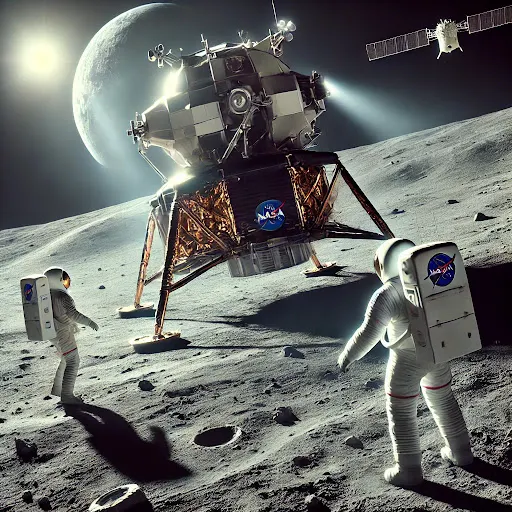
2025 is shaping up to be a monumental year for space exploration. With multiple ambitious missions planned by NASA, SpaceX, China’s CNSA, and other space agencies, humanity is taking bold steps toward deep-space exploration, lunar colonization, and even Mars missions. Let’s explore the most exciting space missions of the year and their potential impact on the future of space travel.

1. NASA’s Artemis III: Returning Humans to the Moon

Launch Date: Late 2025

Objective: First crewed lunar landing since Apollo 17 (1972)

Significance: Artemis III will land astronauts, including the first woman and the first person of color, on the Moon’s south pole. The mission aims to establish a sustainable presence for future Moon missions and prepare for human exploration of Mars.

2. SpaceX’s Starship: The First Fully Reusable Deep-Space Rocket

Launch Date: Multiple test flights throughout 2025

Objective: Advancing deep-space travel and commercial space missions

Significance: SpaceX’s Starship is the most powerful rocket ever built. It is designed for Mars colonization, Moon missions, and interplanetary travel. If successful, it could revolutionize space travel by drastically reducing costs.


3. China’s Tianwen-3: The First Mars Sample Return Mission

Launch Date: Expected late 2025

Objective: Collect and return samples from Mars to Earth

Significance: This ambitious mission aims to bring Martian soil back to Earth for analysis, which could provide insights into past life on Mars and planetary evolution.

4. ESA’s JUICE: Exploring Jupiter’s Moons

Launch Date: Already launched in 2023, reaching Jupiter in 2031

Objective: Study Jupiter’s icy moons—Europa, Ganymede, and Callisto

Significance: These moons are believed to have subsurface oceans that could potentially harbor extraterrestrial life.


5. India’s Gaganyaan: First Crewed Spaceflight Mission

Launch Date: Mid-2025

Objective: India’s first human spaceflight mission

Significance: ISRO (Indian Space Research Organisation) aims to send Indian astronauts, or “Gagannauts,” into low Earth orbit, marking a significant milestone for India’s space ambitions.


6. The Vera Rubin Observatory: Unveiling the Universe’s Secrets

Launch Date: First full year of operation in 2025

Objective: Conduct an unprecedented survey of the night sky

Significance: This telescope will map billions of galaxies, track asteroids, and detect dark matter’s influence, transforming our understanding of the cosmos.


7. NASA’s Europa Clipper: Searching for Alien Life

Launch Date: October 2025

Objective: Study Jupiter’s moon Europa for signs of life

Significance: Europa has a vast underground ocean beneath its icy crust. Scientists believe it is one of the best places to find extraterrestrial life in our solar system.


The Future of Space Exploration

With these missions, 2025 will be a landmark year for space exploration. Each mission contributes to humanity’s long-term goals:

Establishing a sustainable presence on the Moon

Preparing for human missions to Mars

Searching for extraterrestrial life

Advancing space technology for interplanetary travel


Space exploration in 2025 is pushing the boundaries of what’s possible. Whether it’s returning to the Moon, searching for life on Europa, or bringing back Mars samples, these missions will shape the future of humanity in space. The final frontier is closer than ever—are we ready for it?

Thursday, February 6, 2025

AI in 2025: The Ethical Implications of Autonomous Decision-Making


Introduction

Artificial Intelligence (AI) has become deeply embedded in our daily lives. From self-driving cars to AI-driven hiring processes, automation is making decisions that impact humans more than ever. However, as AI grows more powerful, ethical concerns about bias, privacy, accountability, and job displacement are becoming critical. In 2025, how do we ensure AI serves humanity rather than harms it?

AI has advanced beyond simple automation—it now makes autonomous decisions in critical areas such as:

Healthcare: AI diagnoses diseases, recommends treatments, and even performs robotic surgeries.

Finance: AI handles stock trading, loan approvals, and fraud detection.

Law Enforcement: AI-powered surveillance and predictive policing are shaping criminal justice.

Employment: AI-driven hiring tools assess candidates and make hiring decisions.


1. Bias in AI Decisions

AI models learn from past data, which often contains historical biases. In 2025, despite improved transparency, AI systems still show discrimination in hiring, banking, and law enforcement. Major cases of AI bias lawsuits have forced companies to re-evaluate their training data.

2. Privacy & Surveillance

Governments and corporations use AI for mass surveillance, raising questions about privacy. Facial recognition and predictive analytics are widespread, but how much personal data should AI have access to? Countries like the EU have enacted stricter AI privacy laws, while others still struggle with regulation.

3. AI Replacing Human Jobs

Automation continues to replace human jobs at an increasing rate. In 2025:

AI customer service bots have eliminated 70% of call center jobs.

AI-generated content competes with human writers and journalists.

AI-powered automation in industries like manufacturing and logistics is displacing millions of workers.
The big question remains: Should governments implement a Universal Basic Income (UBI) to support displaced workers?


4. Accountability: Who is Responsible When AI Makes a Mistake?

If an AI-driven car causes a fatal accident, who is liable—the manufacturer, the software developer, or the owner? If an AI system denies a person a loan unfairly, who should be held accountable? In 2025, AI liability laws are still evolving, but challenges remain in defining responsibility.


Governments and organizations are working to create ethical AI guidelines, including:

Explainable AI (XAI): AI systems must provide clear reasoning for decisions.

Fairness Audits: Regular audits ensure AI doesn’t reinforce racial, gender, or economic biases.

Stronger AI Regulations: Governments worldwide are creating stricter AI laws to protect users.

The future of Ai Ethics 


Looking ahead, AI will only grow more advanced. The key to ensuring AI benefits society lies in transparency, regulation, and human oversight. AI should be a tool to empower humanity, not replace it.

As we move forward in 2025, ethical AI development is one of the biggest challenges of our time. While AI offers incredible benefits, ensuring fairness, privacy, and accountability is crucial. Governments, businesses, and individuals must work together to shape AI’s role in society.


These are offcial links of my social media accounts listed below 

Wednesday, February 5, 2025

Quantum Leap: How Quantum Computing is Revolutionizing Technology in 2025


In 2025, quantum computing is no longer a distant dream—it is becoming a reality. Tech giants like IBM, Google, and startups such as IonQ and Rigetti are pushing the boundaries of computation. But what does this mean for businesses, science, and daily life? Let’s explore how quantum computing is set to revolutionize the world.

Traditional computers use bits (0s and 1s) to process information. Quantum computers, on the other hand, use qubits, which can exist in multiple states at once due to a phenomenon called superposition. This allows quantum computers to perform calculations exponentially faster than classical computers.


This year, we’ve seen several game-changing advancements in quantum computing:

1. Quantum Supremacy 2.0 – A breakthrough where quantum computers solved real-world problems that classical supercomputers couldn’t.


2. Quantum Cloud Services – Companies now offer cloud-based quantum computing access, allowing businesses and researchers to run quantum algorithms remotely.

3. Error Correction Improvements – One of the biggest hurdles, quantum errors, is being tackled with more stable qubits and better correction algorithms.


Healthcare & Drug Discovery: Simulating molecular structures to create new medicines faster.

Cryptography & Cybersecurity: Developing quantum encryption methods that are unbreakable by classical computers.
Financial Modeling: Enhancing risk analysis, fraud detection, and market predictions.

Climate Science: Simulating climate models to improve predictions and mitigation strategies.


Scalability: Building large, stable quantum processors is still a challenge.

Security Risks: Quantum computers could potentially break current encryption methods, posing cybersecurity threats.

Ethical Dilemmas: Who controls quantum technology, and how will it impact job markets and global economies?


With the rapid pace of development, experts predict that by 2030, quantum computers will be commercially viable for industries worldwide. Governments and corporations are investing billions to stay ahead in the quantum race.

Quantum computing is not just an evolution—it’s a revolution. As this technology matures, it will reshape industries, scientific research, and even our daily lives. The quantum leap has begun—are we ready for it?
To visit my

Starlink in Pakistan.?

The Future of Work: How AI and Automation Are Changing Jobs in 2025

  The Future of Work: How AI and Automation Are Changing Jobs in 2025 Introduction The workplace in 2025 looks vastly different from just a ...